-
1. Is Simon Pearce worth it for corporate gifts, or is it just a name?
-
2. What's the most common mistake with a Simon Pearce Romance Vase order?
-
3. Which Simon Pearce products work best for corporate gifting?
-
4. How far in advance should I place the order?
-
5. What is the corporate gift trend in 2025?
-
6. What if pieces arrive damaged? How do you handle claims?
-
7. Should we engrave or customize the pieces?
I've been handling corporate gift orders for a mid-size B2B company for six years. In that time, I've personally made—and documented—14 significant mistakes, totaling roughly $11,000 in wasted budget. Most involved glassware. All of them were preventable.
This FAQ covers the questions I was asking when we first evaluated Simon Pearce for client gifting, plus a few I should have been asking. If you're building a 2025 corporate gift program around Simon Pearce, I hope this saves you from repeating my expensive lessons.
1. Is Simon Pearce worth it for corporate gifts, or is it just a name?
For us, yes—but only for the right tier of recipient. We reserve Simon Pearce for our top client relationships, milestone anniversaries, and executive-level partners. The handmade story carries real weight: the vases, the glass & dinnerware, the votive candles are all individually blown in Vermont, and that provenance makes the gift feel personal in a way a branded tumbler never will.
That said, this approach worked for our situation: a mid-size B2B company with predictable ordering patterns and a gift list of about 30 to 80 recipients per campaign. If you're running a 500-person client appreciation program at $40 per head, Simon Pearce probably isn't the right fit—you'll end up with the smallest items and lose the wow factor. Your mileage may vary.
2. What's the most common mistake with a Simon Pearce Romance Vase order?
Breakage. No contest. Glass is glass, no matter how carefully it's packed.
In September 2023, we ordered 60 Romance Vases for a partner appreciation program. It was a $3,200 order. When the boxes arrived, six were cracked—exactly 10%. The real pain came from the fact that we hadn't ordered any spares. We scrambled for replacements, paid expedited shipping, and explained to two regional offices why their gifts were late. That mistake cost about $890 in redo plus a week of delay.
Now I add a 10-15% buffer to every glass order and confirm the replacement timeline before I sign the PO. Five minutes of verification beats five days of correction.
3. Which Simon Pearce products work best for corporate gifting?
Based on what's performed well for our clients (and what bombed), here's the breakdown:
- Votive candles — the most accessible entry point. They fit a $30-50 per-person budget, travel well, and don't need a big unboxing moment. We used them for a 150-person holiday client list and got genuinely warm feedback.
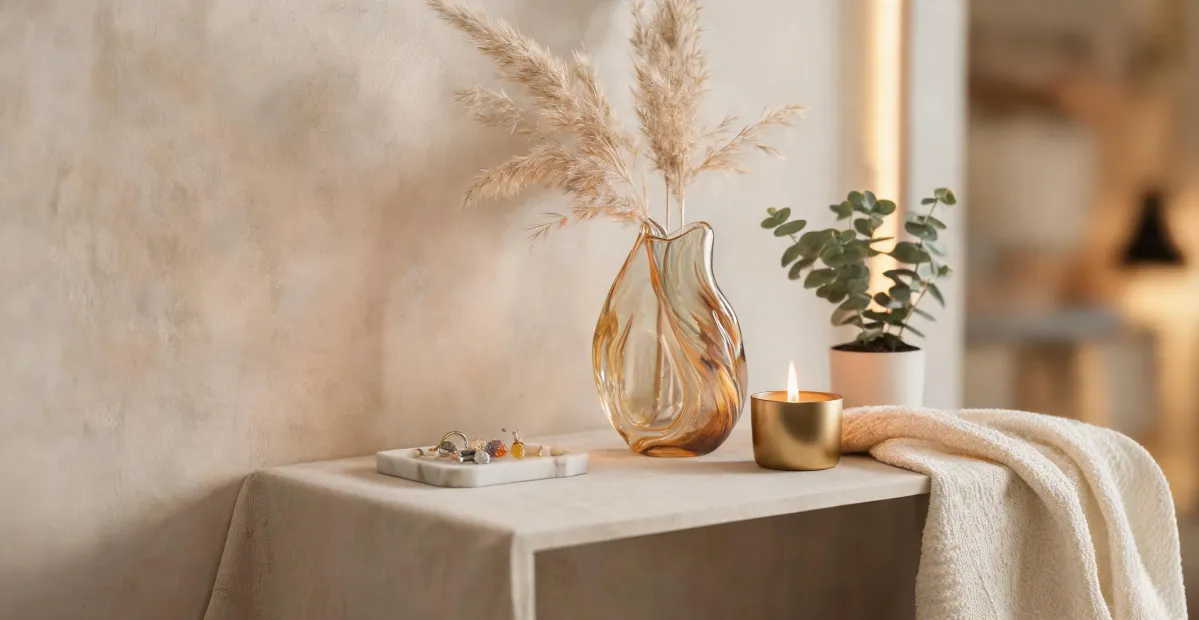
- Romance Vase — our go-to "meaningful" gift. It's decorative enough that people keep it visible, which is exactly what you want when your logo isn't on the piece. Best for retention, not just appreciation.
- Glass & dinnerware (like the Belmont collection) — our VIP tier. This is what we send to board members and key strategic partners. High perceived value, but plan for longer lead times and more breakage risk.
- Crystal gift items (paperweights, picture frames, snow globes) — solid desk pieces for advisory boards or internal leadership. Less fragile than stemware, and they read as intentional rather than promotional.
There's something satisfying about a gift that doesn't end up in a junk drawer. The best part of finally getting our product-tier system in place: no more guessing what to order for which audience.
4. How far in advance should I place the order?
This one still stings. My first Simon Pearce order was a mix of vases and candle holders for a Q4 client event. I placed it 10 days before the deadline, paid for rush shipping, and the pieces arrived the week after the event. That wasn't the brand's fault—that was a planning failure on my end.
For standard items, give yourself 3-4 weeks. For anything customized, treat 6-8 weeks as the floor. And during the holiday season—October through December—add another two weeks. The Quechee workshop is a working glassblowing studio, not a 24/7 fulfillment center, and there are only so many skilled hands available.
5. What is the corporate gift trend in 2025?
The short version: the pendulum is swinging away from mass-produced logo swag toward artisan-made pieces with a story. The Incentive Research Foundation's 2025 outlook points to premium, sustainable, experience-linked gifts as the fast-growing segment—and honestly, that matches what we've seen in our own program.
When we tell recipients that Simon Pearce has been hand-blowing glass since 1971 at a working studio in Vermont, the reaction is different. A gift with a craft behind it gets treated like a reward. A logo pen gets re-gifted or lost. I'm not sure this shift applies to every industry—if your clients care primarily about price and utility, an artisan vase won't change the relationship overnight.
6. What if pieces arrive damaged? How do you handle claims?
Document everything. Seriously. Photograph each box as it arrives, open every piece the same day, and compare against the packing list. After our third breakage incident, I created a 12-point intake checklist that our whole team now uses—it's caught 47 potential issues in the past 18 months and saved us an estimated $8,000 in rework.
One thing I wish someone had told me: don't expect instant replacements on handmade glass. Each piece is individually blown, so there's no "swap the damaged SKU from the warehouse shelf" the way there might be with mass-produced goods. The only real insurance is the buffer stock I mentioned earlier.
7. Should we engrave or customize the pieces?
It depends on the relationship. Some recipients love a discreet logo on the base—it feels like a premium corporate gift. Others have told me they prefer unbranded pieces because it feels more personal, like the giver actually selected something for them rather than clearing out a promo closet.
If you do customize, here's my biggest regret so you can avoid it: I approved an engraving proof that looked perfect on a flat mockup but came out distorted on the curved surface of a vase. We caught it on the first physical sample—thankfully—but only because we'd ordered a sample instead of committing the full run. That $450 lesson taught me to always request a physical proof for any custom work on curved glass.
And if you're ordering engraved pieces, build in at least one spare. The worst time to discover a quantity issue is after your client has already sent the thank-you note.
Note on sources: Simon Pearce brand details (founding year, Quechee studio, handmade process) are publicly available from simonpearce.com. Corporate gifting trend context references the Incentive Research Foundation's 2025 outlook report. Lead times and product availability reflect conditions as of January 2025 and will vary by season, volume, and customization requirements.