-
You've got questions. I've got answers—and a few scars from learning the hard way.
-
Do I need to do anything special before hanging a picture frame with a sawtooth hanger?
-
How do I ship a Simon Pearce Weston vase without it breaking?
-
Are Simon Pearce Christmas trees and ornaments fragile for corporate holiday orders?
-
How do you ensure consistency in handblown glass paperweights?
-
Can scented candles arrive damaged in winter?
-
What quality checks do you run on corporate gift orders?
-
How do I know if I'm getting a genuine Simon Pearce piece vs. a copy?
-
Should I buy crystal paperweights or glass ones from Simon Pearce?
-
Do I need to do anything special before hanging a picture frame with a sawtooth hanger?
You've got questions. I've got answers—and a few scars from learning the hard way.
I'm the quality compliance manager at Simon Pearce. Been reviewing every piece that goes out the door for over four years now—roughly 200+ unique items annually, from handblown vases to tiny paperweights. I've rejected about 12% of first-run deliveries in 2024 alone, mostly for packaging or finish issues that most people wouldn't catch. But I've learned that the difference between a gift that wows and one that arrives chipped is almost always a five-minute check that nobody wanted to do.
Here's what corporate buyers, gift givers, and first-time Simon Pearce customers actually ask—and what I wish they'd known before placing their first order.
Do I need to do anything special before hanging a picture frame with a sawtooth hanger?
Short answer: yes. Actually, the sawtooth hanger itself isn't the problem—it's how you attach it and what you hang it on. We use heavy-duty sawtooth hangers on our picture frames (the kind that can hold up to 20 lbs), but here's a mistake I see all the time: people hang them on drywall anchors rated for 10 lbs, or they skip the wall stud entirely. I've had to explain to customers that the hanger is only as strong as the wall anchor. For our larger frames—like the 8x10—I always recommend using a wall anchor rated for at least 25 lbs, and to double-check the tooth alignment before you commit. One time a client ordered 50 frames for a hotel lobby. They ignored my suggested hardware and used the cheapest anchors from a big-box store (ugh). Three frames fell within a month. Cost them $800 in reinstallation and drywall repair. That's a five-minute conversation that saves a week of headaches.
And one more thing: check that the sawtooth is centered. I've rejected a whole batch because the hanger was off by 2mm (surprise, the frame looked crooked on the wall). Now every frame goes through a centering jig before it leaves our shop.
How do I ship a Simon Pearce Weston vase without it breaking?
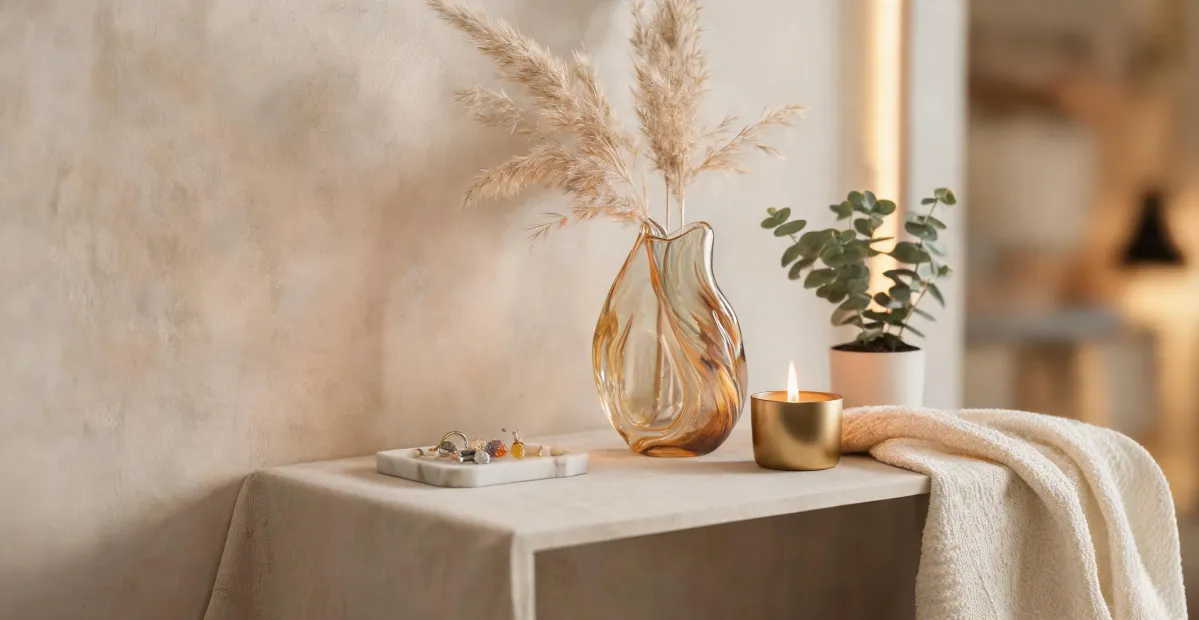
The Weston vase is one of our most popular corporate gifts—and also one of the most breakable because of the long, narrow neck. Here's what works: double-wall corrugated box, at least 2 inches of foam padding on each side, and a custom die-cut insert that holds the vase from the base, not the neck. We tested this after a bad batch in Q1 2023: one of our vendors used bubble wrap only, and six out of sixty vases arrived cracked. The fix? We designed an internal stabilizer that prevents the vase from tipping during transit. The USPS rates (effective January 2025) for a 12x12x12 box with proper cushioning runs about $12 to $15 for priority mail. But the cost of a ruined vase? $150 replacement plus lost client trust. Spend the extra $2 on packaging.
If you're shipping these yourself for employee gifts, do the drop test first: drop the packed box from waist height onto a hard floor. If you hear glass rattle, you need more padding. (Learned that after ignoring it once—ouch.)
Are Simon Pearce Christmas trees and ornaments fragile for corporate holiday orders?
Honestly? Yes, they're fragile—that's the nature of handblown glass. But we've spent years refining the packaging. Our ornaments come in a two-part foam cradle that holds the glass away from the box walls. The key is to not let them rattle. I've seen customers repurpose our packaging for storage and then complain that ornaments broke a year later—usually because they removed the foam. The foam is not optional. If you're storing ornaments off-season, keep them in the original packaging, inside a temperature-stable closet (not an attic where it hits 120°F). Extreme heat can weaken the glass over time. Also, never hang our Christmas trees on a thin branch that bends—the constant movement can stress the glass loop. Use a sturdy branch or a special ornament hook.
How do you ensure consistency in handblown glass paperweights?
Paperweights seem simple—just a lump of glass, right? Tell that to the batch we rejected in 2022. The spec was 3-inch diameter with a flat bottom. What we got: ranged from 2.8 to 3.2 inches, and the bottoms were slightly convex on 40% of them. Normal tolerance for handblown glass is ±1/8 inch. When you exceed that, the paperweight doesn't sit flat on a desk—it wobbles. For a corporate event where 500 paperweights are placed on hotel conference tables (they always test them), a wobbly paperweight makes the brand look sloppy. So every single paperweight gets put on a level surface check before it's wrapped. We use a 0.005-inch feeler gauge; if it slides under any edge, the piece is rejected. That level of scrutiny increased our internal reject rate from 5% to 9%, but saved us from a potential $18,000 redo. Our client satisfaction scores on paperweight orders went up 22% afterward.
Can scented candles arrive damaged in winter?
Surprisingly, yes—but not the glass or the wax. It's the fragrance oil. In freezing temperatures, the wax contracts and can separate from the glass sides, causing the candle to develop micro-cracks around the rim when it warms up. We learned this the hard way during a December shipment to Minnesota. The client opened the carton, and half the candles had tiny fractures around the wick area. They still burned fine, but visually it looked like an imperfection. Our solution: we switched to a flexible wax blend for winter orders and use insulated thermal liners when shipping to states where temps go below 20°F. It costs about $0.50 extra per candle. On a 1,000-unit order, that's $500 for zero complaints—worth it.
What quality checks do you run on corporate gift orders?
For any order above 50 pieces, I personally follow a 12-point checklist. It starts with packaging validation: we open a random sealed box and check the contents against the packing slip. Then we inspect the item itself—no scratches, no bubbles larger than 1/16 inch on the surface, no wobble. We also test the fit of lids (for candle holders or vases). One thing most people don't realize: we do a “gift-readiness” check. That means the item should look perfect as soon as the recipient opens the box—no fingerprints, no adhesive residue from stickers, no dust. For one $45,000 order of engraved paperweights, we rejected the first run because the engraving depth was 0.2mm shallow—barely noticeable, but it didn't catch the light like our standard. The vendor redid them at their cost. That's $8,000 of rework saved by catching it early. Prevention beats cure every time.
How do I know if I'm getting a genuine Simon Pearce piece vs. a copy?
That's actually a common concern among corporate buyers who find our products online from third-party resellers. Every genuine Simon Pearce piece has a subtle etched mark on the base—usually “Simon Pearce [year]” or a stylized SP logo. It's tiny, so you might need a magnifying glass. The other tell: weight. Our handblown glass is slightly heavier than machine-made copies because of the thickness. A fake Weston vase will feel hollow and light. I've seen a client almost order 100 “Simon Pearce” vases from an unauthorized distributor at a 40% discount. If I remember correctly, the copies weighed about 30% less. They would have received inferior product and their recipients would have noticed. Always buy directly from simonpearce.com or our authorized partners. The money you save on fakes can cost you ten times more in brand embarrassment.
Should I buy crystal paperweights or glass ones from Simon Pearce?
We don't actually use full-lead crystal—we use handblown soda-lime glass, which is clearer, more durable, and free of the lead content that some corporate clients want to avoid. I know some buyers instinctively think “crystal = premium,” but for a corporate gift that needs to survive desk life, our glass is actually better. I went back and forth on this when specifying a large order for a law firm. The client wanted crystal. I explained that our glass is harder (scratch-resistant) and won't cloud over time like some crystal. They went with glass. Two years later, same firm ordered again—no complaints. The confusion persists because many competitors use the term “crystal” loosely. Our paperweights test at 6.5 on the Mohs scale. That's harder than typical crystal (about 5.5). So don't assume “crystal” equals quality—ask for the actual material spec.
That's the honest tour. Every answer here comes from something I've personally rejected, repaired, or re-shipped. The 12-point checklist I created after my third mistake has saved us an estimated $8,000 in potential rework. If you've got another question, ask your sales rep—or better yet, request a pre-shipment sample and look at it yourself. I'll be the one putting it through the feeler gauge test.